Where a bold stone belongs in a room
A dramatic slab can anchor a space or overwhelm it. The difference is restraint around it.
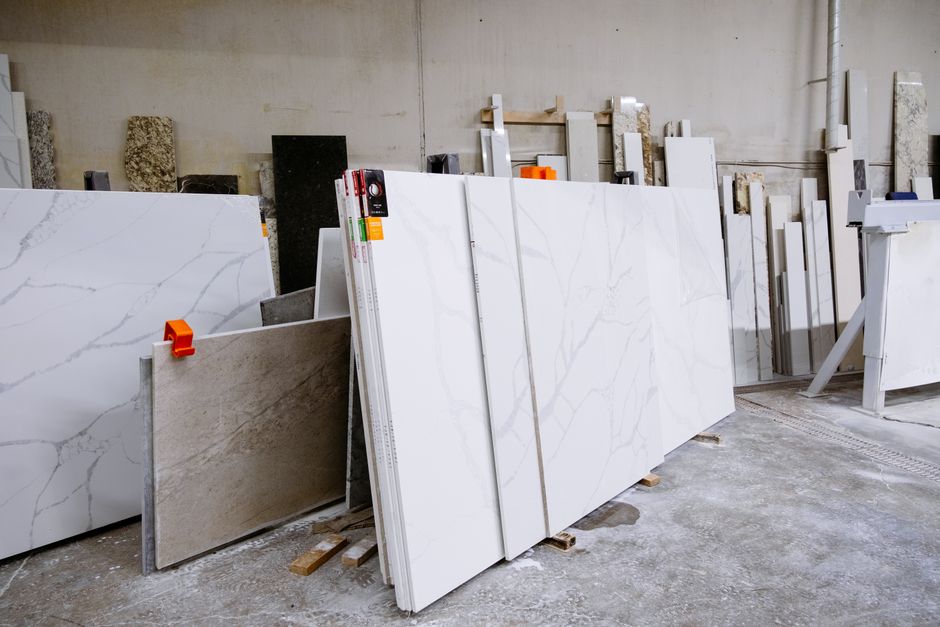
The hardest part of designing with stone is not choosing the stone. It is deciding what else in the room has to go quiet so the stone can speak. A heavily veined slab is a loud object; rooms can hold one loud object comfortably and rarely two.
One hero
Let a bold stone be the only loud thing in the room.
Backlight onyx
Its translucence is wasted flat against a wall.
Quiet companions
Pair veined stone with plain, matte surfaces.
Scale the vein
Big patterns need distance; small rooms want calm.
Think about where the seams fall
On a large run, seam placement decides whether the veining reads as one continuous piece or as two unrelated slabs bolted together. A good fabricator will lay out the cut with you against the actual slab. Insist on that conversation — it is free, and it is the difference between a surface that looks composed and one that looks assembled.
Finish changes everything
The same stone in polished, honed and leathered finishes reads as three different materials. Polished amplifies the veining and the light; honed calms it right down and hides etching better; leathered adds texture and forgives fingerprints. Choose the finish for how the room is used, not for how the sample looked in a showroom.
Where restraint pays off
- Keep cabinetry and walls plain where the stone is doing the work.
- Match the vein's scale to the viewing distance — a big pattern needs a step back.
- Don't repeat a dramatic stone in two places in one sightline.
More about this guide on the about page.
Commissioned work has the same awkward ending in every craft: the piece is finished, the client is pleased, and the invoice sits unpaid for weeks. A film-production write-up on how commissions actually get paid covers the same ground from another industry, and the mechanics are recognisable.